


Daylight Basement vs Walkout Basement: What Homebuyers Should Know

July 1, 2026
Daylight Basement vs Walkout Basement: What Homebuyers Should Know
If you have ever found yourself trying to figure out the difference between a daylight basement vs walkout basement and thinking this all sounds more confusing than it should, you are definitely not alone. Most buyers are not asking this because they love basement terminology. They are asking because they want to know how the lower level will actually feel, how much natural light it may get, whether it can connect to the backyard, and how the whole home will sit on the lot. That is really what this conversation is about. At Hallmark Homes Group, we think a lot about how a home lives day to day, and this is one of those details that can shape comfort, flexibility, and long-term enjoyment more than people sometimes expect.
Key Takeaways
- A daylight basement usually has partial above-grade walls and larger windows, but not always a direct exterior door.
- A walkout basement includes direct access to the outdoors, which can make the lower level feel more connected and usable.
- The lot slope often determines which option makes sense.
- The right choice depends as much on lifestyle and layout as it does on terminology.
- Natural light and access can change how the lower level feels day to day.
1. A Daylight Basement and a Walkout Basement Are Similar, but Not the Same
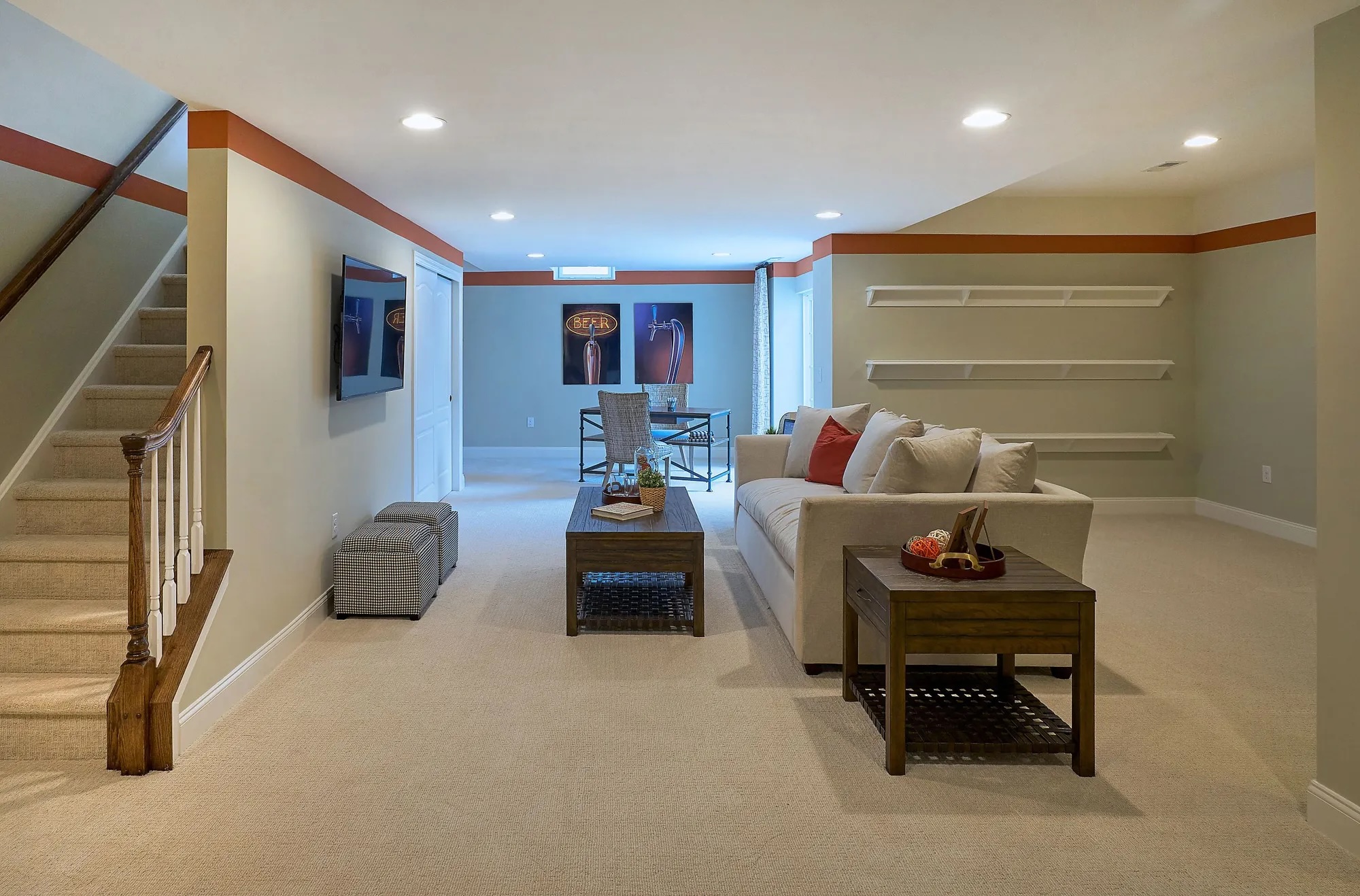
These two basement types are related, which is part of why people mix them up so often.
Both usually happen on a sloped lot where part of the lower level is exposed above grade instead of being completely buried underground. That exposure can make the basement feel brighter, more open, and more useful than a traditional fully below-grade basement. But the biggest difference is this: a walkout basement includes a door that leads directly outside, while a daylight basement may have larger windows and natural light without that same direct exterior access.
Once we simplify it that way, the distinction usually starts to make a lot more sense.
2. A Daylight Basement Is Really About Natural Light
A daylight basement gets its name for a reason.
The whole appeal is that it brings in more natural light than a standard basement would. Because part of the lower level sits above grade, there is room for larger windows, which can make the space feel much less closed in. That alone can change the way people think about using it. A lower level that feels bright and open is easier to picture as a family room, home office, fitness area, guest space, or hobby room.
That is often the biggest benefit. Even without a door to the outside, the space may feel more welcoming simply because it does not feel dark and buried.
3. A Walkout Basement Adds Direct Outdoor Access
A walkout basement takes that feeling one step further by adding direct access to the outside.
That door changes a lot. It can make the lower level feel more independent, more connected to the yard, and more flexible overall. If we are thinking about guests, entertaining, multigenerational living, or just wanting the lower level to feel like a true extension of the home, that outdoor connection can be a real advantage.
It also tends to change how the space is experienced on a daily basis. A walkout lower level may feel less like a basement and more like another finished floor of the house, especially when the light and the access work together well.
4. The Lot Usually Has More to Say About This Than People Expect
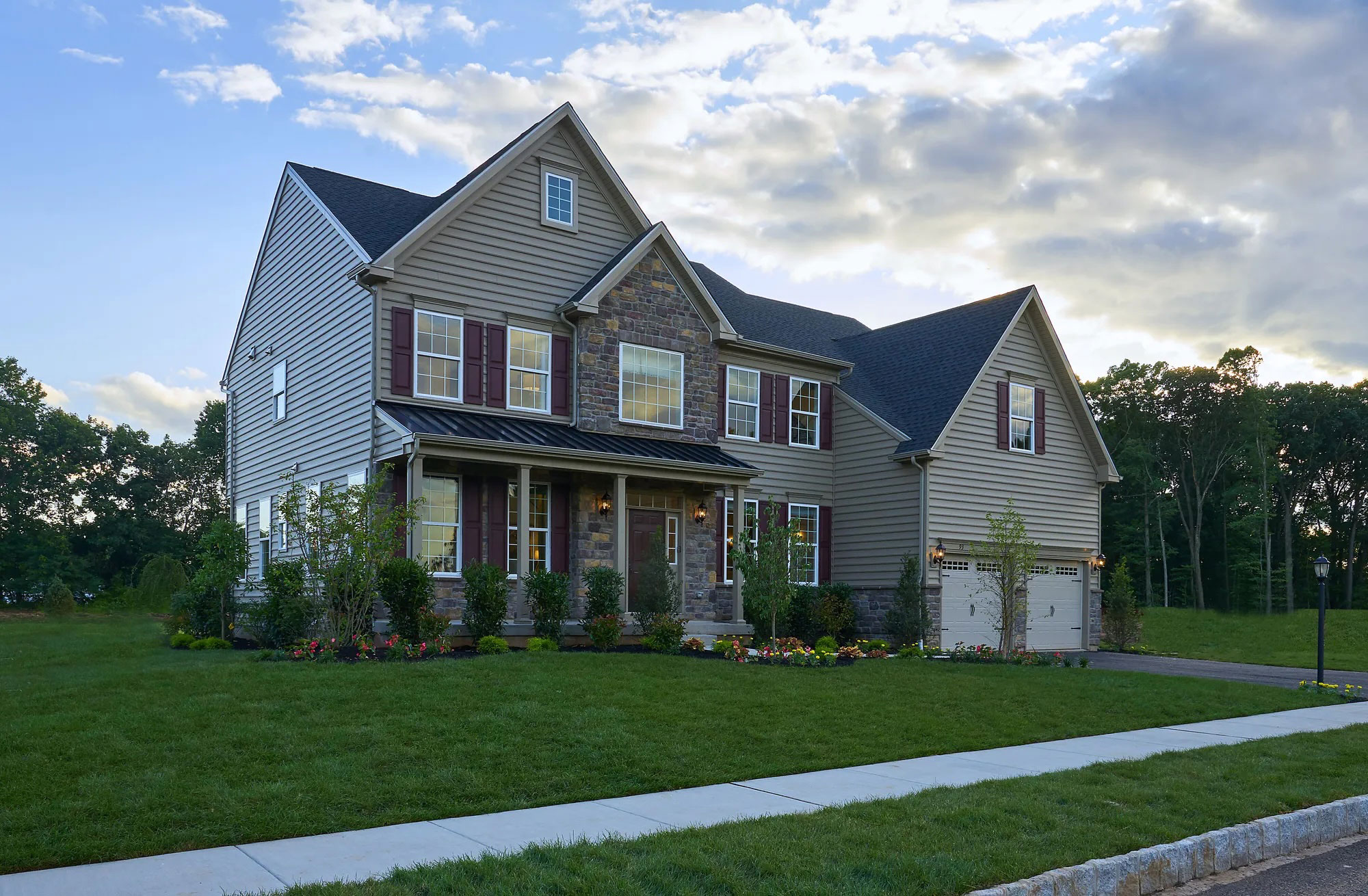
This is one of the biggest things buyers do not always realize at first when they’re looking for new homes or considering building a custom home.
A lot of the conversation around daylight basement vs walkout basement is not just about personal preference. It is also about what the lot can support. The slope of the land, the grading, and the way the home is positioned all influence what is actually possible. Some lots naturally create the conditions for a walkout basement. Others may be better suited for a daylight basement. And some may not support either in the same way.
That is why this is not really a menu-choice conversation alone. The site itself has a big vote.
5. How We Want to Use the Lower Level Matters Too
Even if the lot helps determine what is possible, lifestyle still matters a lot.
If we want the lower level mainly for extra living space, a media room, a home gym, or a playroom, a daylight basement may be more than enough. If we are imagining guests staying downstairs, a rec room that opens to the yard, or a setup that feels more separate and self-contained, a walkout basement may feel more appealing.
This is where the decision gets more personal. The right answer is not always about which option sounds better on paper. It is often about which one better supports the way we want to use the home over time.
6. The Real Difference Is How the Space Feels Once We Live In It
This is probably the most useful way to think about it.
A daylight basement may feel brighter and more comfortable than a traditional basement, which already makes it a big step up in livability. A walkout basement may feel even more open and connected because of the direct access outside. That difference can shape everything from how much time we spend there to whether the lower level feels like bonus space or like a true everyday part of the home.
And that is why this is not only a technical distinction. It is a livability decision. Light changes a room. Access changes a room. The combination can change how we use the whole house.
7. The Best Choice Depends on the Home, the Lot, and the Life We Want
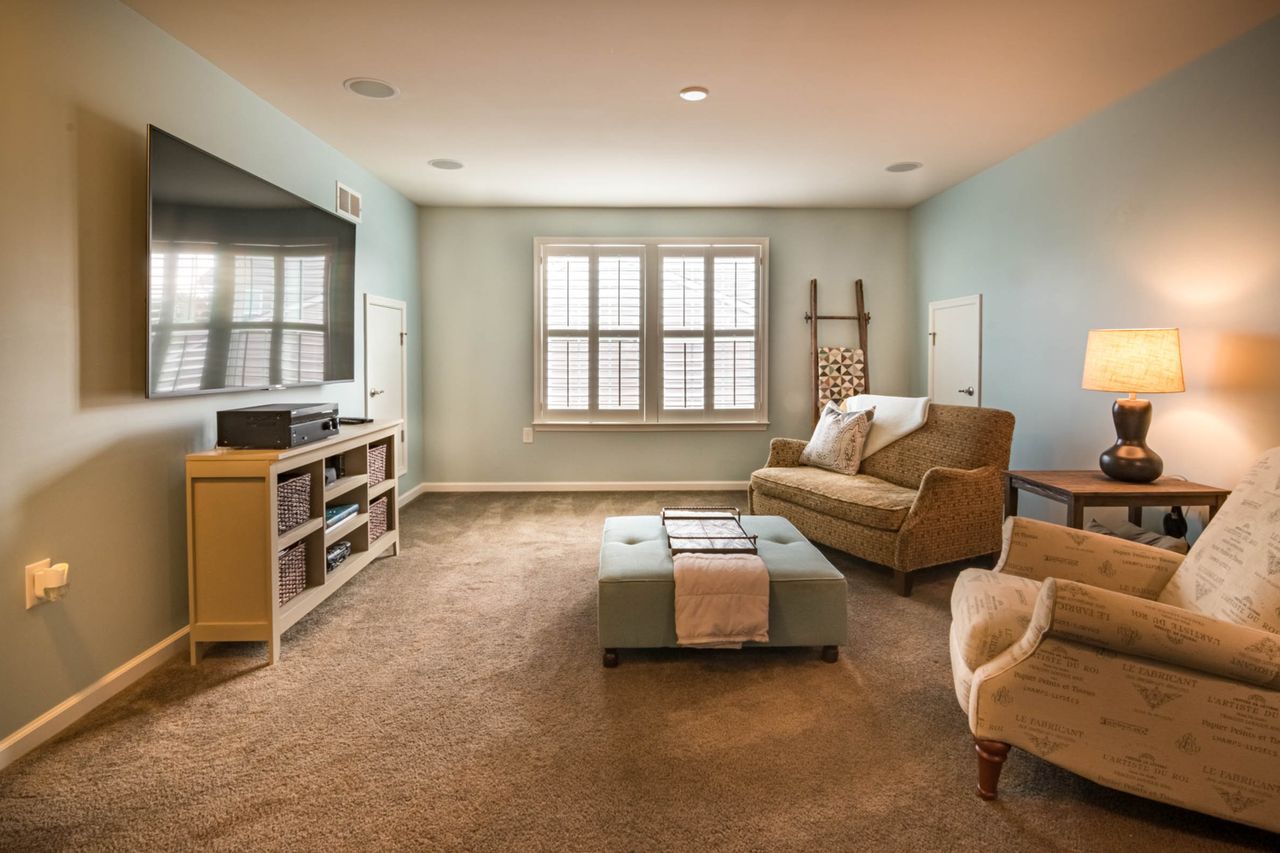
In the end, the smartest way to look at this is not as a debate over which basement type is universally better.
It is really about fit. The lot matters. The layout matters. The amount of light matters. And most of all, the way we want the lower level to feel and function matters. A daylight basement can be a great option when the goal is to bring in light and make the space feel more inviting. A walkout basement can be a great option when outdoor access and a stronger connection to the yard are part of the vision.
The best answer is usually the one that works with the site and supports the way we actually want to live.
FAQ
What is the difference between a daylight basement and a walkout basement?
A daylight basement usually has partial above-grade walls and larger windows that bring in natural light. A walkout basement includes those benefits plus a direct exterior door that leads outside.
Does a daylight basement have a door to the outside?
Not always. A daylight basement is mainly defined by the natural light it gets from exposed walls and larger windows. A direct exterior door is what more clearly sets a walkout basement apart.
Does a walkout basement always get more natural light?
Not necessarily always, but it often feels brighter and more open because it combines windows with direct outdoor access. The exact amount of light still depends on the lot and the home’s design.
Which option is better for a finished basement?
Both can work well for a finished lower level. The better option depends on how we want to use the space and whether outdoor access is important to that plan.
Can the lot determine whether we can have a walkout basement?
Yes. The slope and grading of the lot usually play a major role in whether a walkout basement is possible and how well it will function.
Is a walkout basement more useful for everyday living?
It can be, especially if we want the lower level to feel more connected to the yard or more independent from the main floor. But a daylight basement can still be very useful and comfortable too.
What Matters Most Is How the Lower Level Lives
The best way to think about daylight basement vs walkout basement is not as a technical label alone, but as a decision about light, access, and how the lower level will actually support everyday life. That is what tends to matter most once we are living in the home. At Hallmark Homes Group, we care a lot about those kinds of decisions because customized homes always work best when the design responds to the lot, the layout, and the people living there. A lower level should not just exist on the floor plan. It should feel like it truly belongs in the way the home functions.
So before getting too caught up in the terminology, it helps to step back and ask a more useful question: how do we want that space to feel, and what kind of daily life do we want it to support?
Latest Posts
August 27, 2026
Luxury Kitchen Design Ideas: What's Actually Defining High-End Kitchens in 2027
July 30, 2026
Does Hallmark Homes Have Good Reviews? Here's What Homeowners Are Really Saying
June 2, 2026
How to Choose a New Home Community Without Overthinking It
May 1, 2026
Construction Loan vs Mortgage: What Homebuyers Should Know First
March 30, 2026
A Local Guide to the Best Things to Do in Bucks County PA
March 10, 2026
Essential Fire Safety Tips Every Homeowner Should Know
January 2, 2026
Preventative Home Maintenance: Simple Habits That Keep Your Home in Top Condition
November 14, 2025
10 Home Security Tips Every Homeowner Should Know
November 2, 2025
New Homes in Bucks County are Surrounded by a World of Holiday Wonder
November 1, 2025
Residents of New Custom Homes in Bucks County Enjoy Regional Holiday Events

The Latest News From
Hallmark Homes Group

