


Essential Fire Safety Tips Every Homeowner Should Know

March 10, 2026
Essential Fire Safety Tips Every Homeowner Should Know
Protecting your home and the people inside it starts with preparation. According to the National Fire Protection Association, a home fire is reported in the United States every 89 seconds. That statistic alone underscores why proactive planning matters. Whether you live in a spacious custom home build or a growing family home, understanding practical fire safety tips can significantly reduce risk and improve response time if an emergency occurs.
A well-designed home should not only feel beautiful and functional. It should also feel secure. Fire prevention, early detection and clear evacuation planning all work together to protect what matters most.
Why Home Fire Safety Matters More in Larger Homes

Luxury and move-up homes often feature expansive layouts, multiple floors and specialty rooms. While these features enhance everyday living, they also require thoughtful safety planning.
- Larger square footage can mean longer escape routes.
- Multiple levels require coordinated evacuation plans.
- Open floor plans may allow smoke to travel quickly.
- Finished basements, flex rooms and home theaters add additional risk zones.
- Specialty spaces like large kitchens or wine storage rooms may include added electrical loads.
Size does not eliminate risk. In fact, it increases the importance of having a plan tailored to your home’s layout.
Install and Maintain Advanced Smoke and Carbon Monoxide Detection
Early detection is one of the most critical fire safety tips any homeowner can follow.
The NFPA recommends:
- Smoke alarms inside every bedroom.
- Smoke alarms outside sleeping areas.
- At least one alarm on every level of the home, including finished basements.
- Monthly testing of all units.
- Battery replacement at least once a year unless using sealed 10-year battery models.
- Full alarm replacement every 10 years.
In larger homes, interconnected systems are especially important. When one alarm sounds, all alarms should activate simultaneously. Many homeowners also benefit from monitored systems integrated with home security platforms that send alerts even when you are away.
Carbon monoxide detectors should also be installed near sleeping areas and on each level of the home.
Create a Detailed Fire Escape Plan for Multi-Level Homes
The U.S. Fire Administration emphasizes that families may have as little as two minutes to escape a home fire safely. Planning ahead is essential.
- Identify two exit routes from every room.
- Know the primary and secondary stair locations.
- Establish a designated outdoor meeting point.
- Practice evacuation at least twice per year.
- Ensure overnight guests understand your plan.
- Consider emergency escape ladders for upper levels.
Homes with dual staircases, expansive primary suites or in-law accommodations may require more detailed planning. Large garages or extended driveways should also be factored into meeting locations.
Prioritize Kitchen and Cooking Safety
Cooking is the leading cause of home fires, according to the NFPA. Kitchens deserve focused attention.
- Never leave stovetops unattended.
- Keep towels, paper products and other flammable materials away from burners.
- Install and maintain high-quality ventilation systems.
- Keep a Class ABC fire extinguisher within easy reach.
- Clean grease buildup regularly from stovetops and range hoods.
Professional-style ranges, double ovens and secondary prep kitchens generate significant heat. In open layouts, fire and smoke can spread quickly from the kitchen to living areas, making prevention and detection even more critical.
Maintain Fireplaces and Outdoor Living Spaces
Fireplaces and outdoor entertainment areas add warmth and character but require maintenance.
- Schedule annual chimney inspections and cleanings.
- Use proper fireplace screens.
- Keep firewood stored safely away from the home.
- Service gas fireplaces regularly.
- Ensure outdoor kitchens have proper clearance and ventilation.
- Place fire pits on non-combustible surfaces.
Deck materials and pergolas should meet local building codes. Expansive outdoor living areas deserve the same level of safety planning as indoor spaces.
Electrical System Awareness in High-End Homes
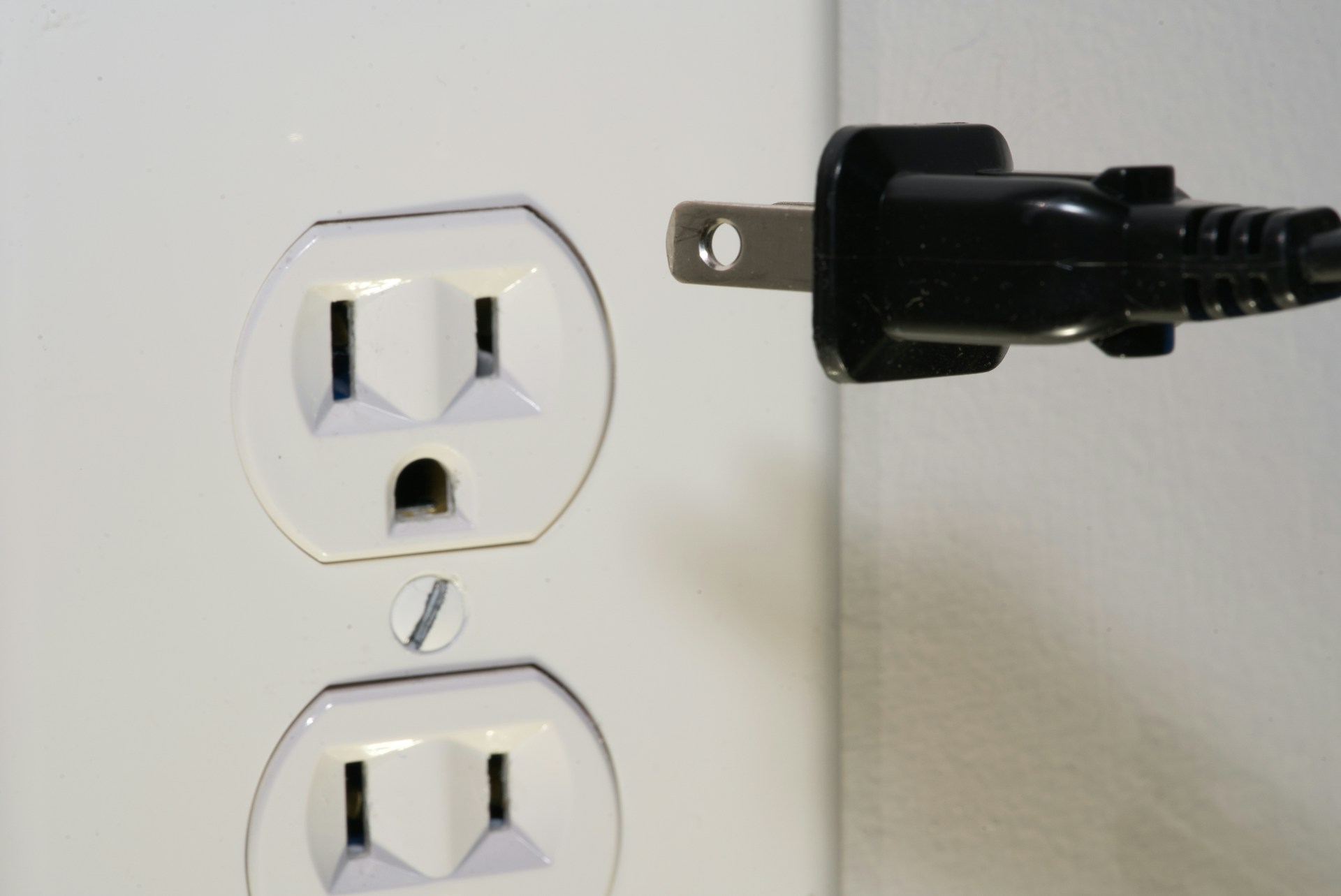
Today’s quick delivery homes often include media rooms, home offices, gyms and spa-like bathrooms. Additional technology and appliances increase electrical demand.
Important fire safety tips for electrical systems include:
- Avoid overloading outlets and circuits.
- Hire licensed electricians for upgrades.
- Inspect electrical panels periodically.
- Replace damaged cords immediately.
- Use surge protectors for high-value electronics.
- Keep electrical panels accessible at all times.
Electrical malfunctions are a leading cause of home fires. Routine inspection and responsible upgrades protect both safety and long-term investment.
Fire-Resistant Construction and Interior Choices
Thoughtful material choices can improve safety without sacrificing design.
- Install fire-rated drywall in garages and utility areas.
- Use solid-core doors where appropriate.
- Choose fire-resistant roofing materials when possible.
- Clean dryer vents regularly to prevent lint buildup.
- Store flammable liquids in approved containers.
Fire-rated materials blend seamlessly into luxury home interiors while providing additional peace of mind.
Protect Valuable Assets and Important Documents
In addition to protecting lives, preparation can protect personal assets.
- Invest in UL-rated fire-resistant safes.
- Digitally back up important documents.
- Maintain a current home inventory with photographs.
- Review insurance coverage regularly.
Larger homes often include custom finishes, art collections or specialty features. Proper documentation supports faster and smoother insurance claims if needed.
Work With Local Fire Departments and Community Resources
Community resources can strengthen your safety strategy.
- Schedule a home safety review if offered locally.
- Ensure your house number is clearly visible from the street.
- Keep fire hydrants near your property unobstructed.
- Review local fire codes specific to Bucks and Montgomery County.
Suburban settings often include long driveways or private access roads. Clear entry routes can make a critical difference during an emergency response.
Building a Safer Home for the People You Love

Fire safety tips are not about fear. They are about preparation. Larger homes require thoughtful evacuation planning, reliable detection systems and consistent maintenance. From kitchen safety to electrical awareness, small preventive actions can make a meaningful impact.
We believe a beautifully designed home should also be a thoughtfully protected one. When safety is integrated into daily living, comfort and confidence naturally follow.
Frequently Asked Questions About Home Fire Safety
How often should smoke alarms be replaced?
Smoke alarms should be replaced every 10 years. Batteries should be replaced annually unless using sealed long-life units.
What is the leading cause of house fires?
Cooking is the leading cause of residential fires, followed by heating equipment and electrical malfunctions.
How do you fireproof a large home?
You cannot fully fireproof a home, but you can reduce risk with fire-rated materials, proper detection systems, routine maintenance and a detailed evacuation plan.
Are smart smoke detectors worth it?
Yes. Smart detectors provide remote alerts and often integrate with security systems, which is especially beneficial in larger homes.
How often should chimneys be inspected?
Chimneys should be inspected and cleaned at least once per year, especially if used frequently during colder months.
Latest Posts
October 6, 2026
Primary Bathroom Layouts: Popular Designs and Ideas Worth Considering
August 27, 2026
Luxury Kitchen Design Ideas: What's Actually Defining High-End Kitchens in 2027
July 30, 2026
Does Hallmark Homes Have Good Reviews? Here's What Homeowners Are Really Saying
July 1, 2026
Daylight Basement vs Walkout Basement: What Homebuyers Should Know
June 2, 2026
How to Choose a New Home Community Without Overthinking It
May 1, 2026
Construction Loan vs Mortgage: What Homebuyers Should Know First
March 30, 2026
A Local Guide to the Best Things to Do in Bucks County PA
January 2, 2026
Preventative Home Maintenance: Simple Habits That Keep Your Home in Top Condition
November 14, 2025
10 Home Security Tips Every Homeowner Should Know
November 2, 2025
New Homes in Bucks County are Surrounded by a World of Holiday Wonder

The Latest News From
Hallmark Homes Group

